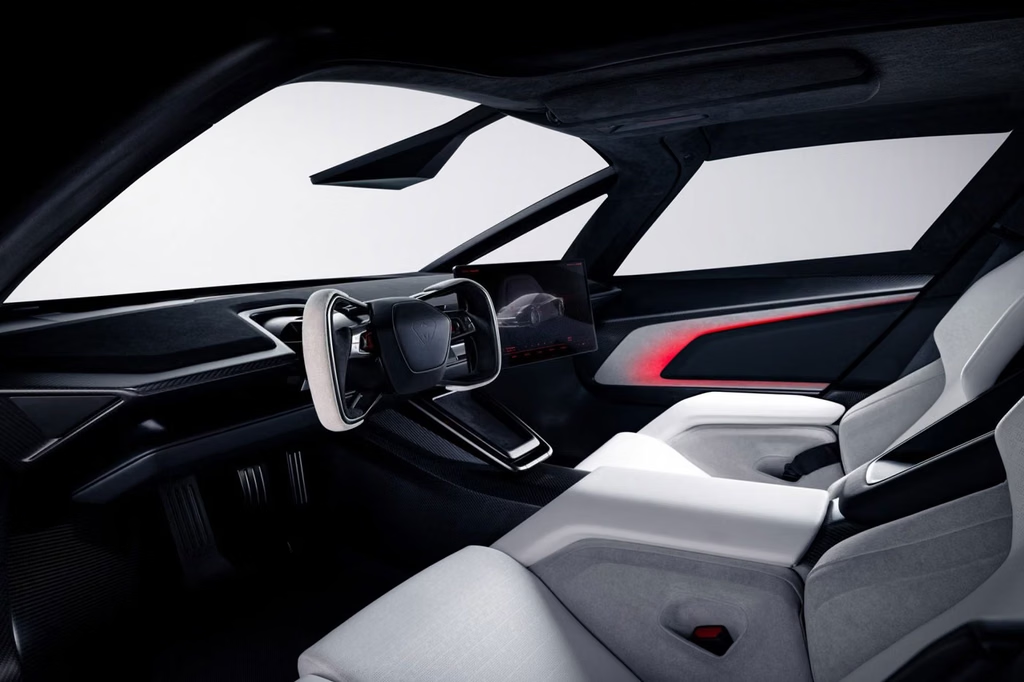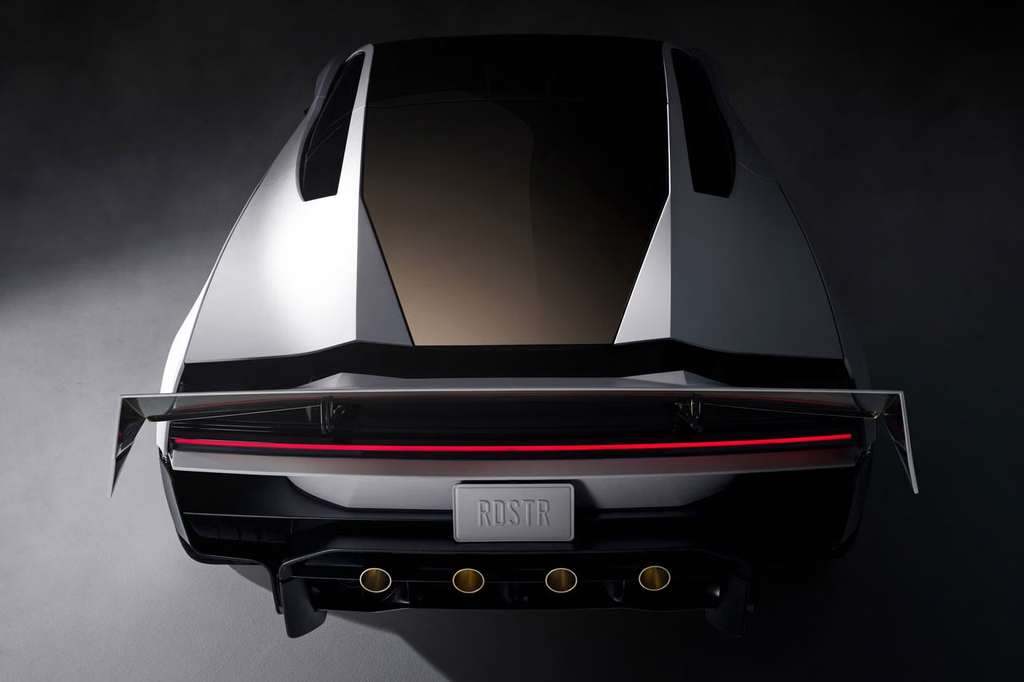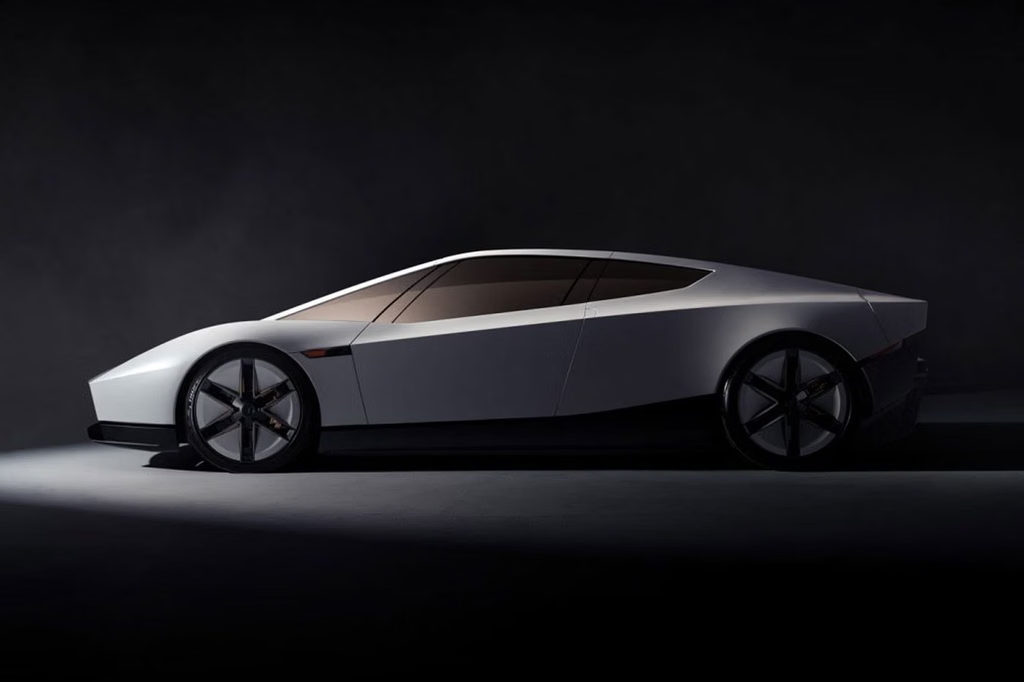
Tesla unveils a redesigned version of its electric sports car, featuring rocket-powered technology developed with SpaceX. Production is expected to begin in 2028, more than a decade after the next-generation Roadster was first announced.
Tesla has unveiled a redesigned version of its highly anticipated Roadster, an electric sports car that promises to push the boundaries of automotive technology. Developed in collaboration with SpaceX, the aerospace company led by Elon Musk, the vehicle features integrated rocket thrusters designed to perform spectacular aerial manoeuvres.
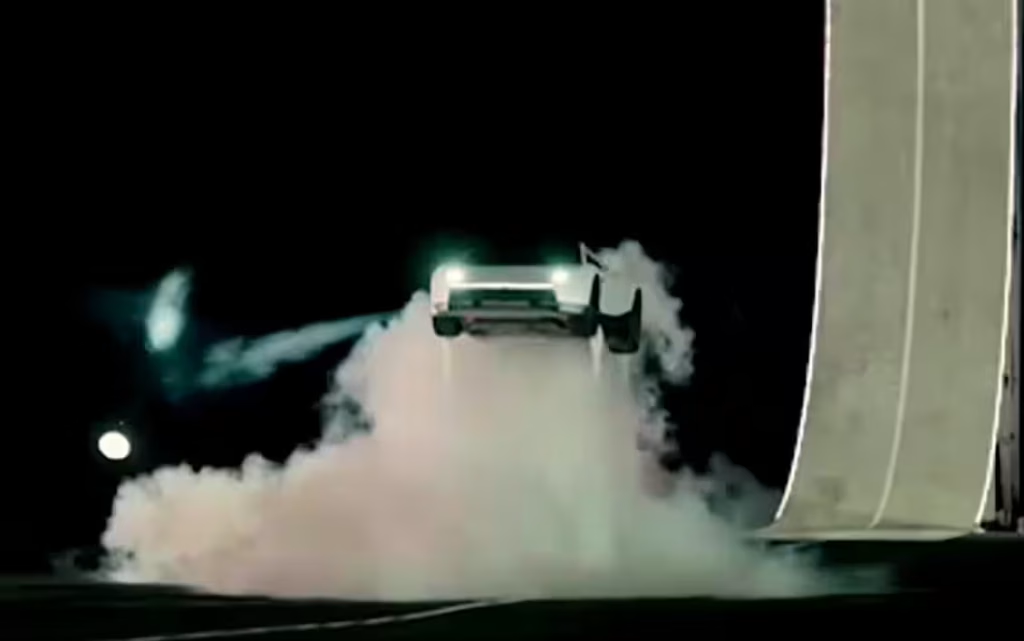
The unveiling took place at SpaceX’s test facility in McGregor, Texas, near Waco. During the event, the two-seat vehicle demonstrated its unusual capabilities by travelling up a ramp upside down with the help of a suction system, rotating in mid-air and landing using its integrated thrusters. The car also appeared to leap over a truck and other vehicles, performing an impressive mid-air rotation.
The demonstration attracted considerable attention from fans and investors, although the vehicle’s production is not expected to begin until 2028.
How Much Will the Tesla Roadster Cost?
Despite the spectacular presentation, Tesla executives did not announce an official retail price for the new Roadster.
Almost ten years ago, when the company first introduced the second-generation prototype, Tesla announced a starting price of $200,000. However, it remains unclear whether this figure will apply to the redesigned model, particularly given the technological developments introduced since the original announcement.
A Spectacular Presentation
The event featured many of the elements typically associated with Elon Musk’s product launches, including dramatic music, smoke effects, mechanical sounds and a countdown to the demonstration.
“This is the culmination of incredible work, carried out in close collaboration between Tesla and SpaceX engineers, to create something that has never been seen in any film,” Musk declared to an enthusiastic audience.
For the occasion, the entrepreneur wore a silver Western-style belt buckle featuring the Tesla logo, adding a distinctive personal touch to the presentation.
The collaboration between Tesla and SpaceX highlights Musk’s ambition to combine electric vehicle engineering with aerospace technology, potentially introducing features that go far beyond those of conventional sports cars.
Impressive Performance and Speed
According to Lars Moravy, Tesla’s head of vehicle engineering, the new Roadster is capable of accelerating from zero to 60 miles per hour (approximately 97 km/h) in less than one second.
The car is also expected to reach a top speed of more than 230 miles per hour (370 km/h), placing it among the world’s most ambitious electric performance vehicles.
In terms of range, Tesla claims that the Roadster will be able to travel more than 300 miles (480 kilometres) on a single charge. While this would offer considerable driving range, it is less than half the distance Elon Musk promised in 2017, when Tesla first unveiled the second-generation Roadster prototype.
At that time, the company announced that deliveries would begin in 2020. However, repeated delays have pushed the anticipated launch date further into the future.
A New Chapter for Electric Supercars?
The new Tesla Roadster represents an ambitious attempt to redefine what an electric sports car can achieve. Its combination of extreme acceleration, high top speed and rocket-assisted manoeuvres sets it apart from traditional electric vehicles.
Nevertheless, important questions remain regarding its final price, technical specifications and production schedule. The vehicle’s extraordinary aerial capabilities will also need to be assessed in terms of safety, practicality and regulatory approval before they can become part of a commercially available car.
If Tesla delivers on its promises, the Roadster could become one of the most extraordinary vehicles ever developed for the consumer market. For now, however, enthusiasts will have to wait until the expected production start in 2028 to discover whether this futuristic electric supercar can turn its spectacular demonstrations into reality.