Celebrated on 11 November, St Martin’s Day brings together Christian traditions, rural customs and the pleasures of good food and wine. From the opening of wine barrels to traditional festive dishes, discover the history and customs behind this much-loved Italian celebration.
Every year on 11 November, towns and villages across Italy celebrate St Martin’s Day, also known as the Summer of St Martin. This traditional occasion combines religious celebrations with centuries-old farming customs, marking a time of year closely associated with the new wine harvest, local festivities and seasonal food.
The celebration is so deeply rooted in Italian culture that it even inspired one of the country’s most famous poets, Giosuè Carducci, who dedicated his celebrated poem San Martino to this particular time of year. In the past, 11 November was also a day off work in many rural communities, making it an important date in the agricultural calendar.
Who Was St Martin?
Martin of Tours was a Christian bishop who lived during the fourth century AD. Born in Pannonia, a region of the Roman Empire corresponding partly to modern-day Hungary, he was the son of a Roman army veteran, who encouraged him to follow in his footsteps and join the military.
As a member of the Roman army, Martin was eventually sent to Gaul, where an encounter would change the course of his life.
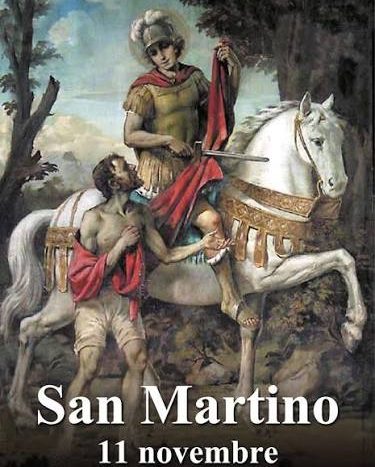
According to Christian tradition, while riding on patrol one cold winter’s day, Martin came across a poorly dressed beggar who was shivering in the freezing weather. Moved by compassion, he took his military cloak, cut it in half with his sword and gave one part to the unfortunate man.
That same night, Jesus Christ is said to have appeared to him in a dream, wearing the half of the cloak he had shared with the beggar.
Following this experience, Martin, who had not yet been baptised, embraced Christianity and began his journey of faith. After serving the Roman Empire for around twenty years, he eventually decided to leave the army and devote his life to monasticism.
A passionate follower of Christianity, Martin travelled extensively to spread the faith and convert pagan communities, particularly in rural areas, towards which he always showed special care and attention. His many journeys also earned him the title of patron saint of pilgrims.
In 371 AD, Martin became Bishop of Tours, despite facing opposition from some people who looked down on his humble social background. During his time as bishop, he founded monasteries, cared for his community and, according to Christian tradition, performed several miracles.
He died on 8 November 397 AD, but his funeral took place three days later, on 11 November. This is why his feast day is celebrated on that date.
The Traditions of St Martin’s Day
Given the saint’s close connection with rural communities and ordinary people, his feast day has become deeply associated with agricultural traditions and countryside celebrations.
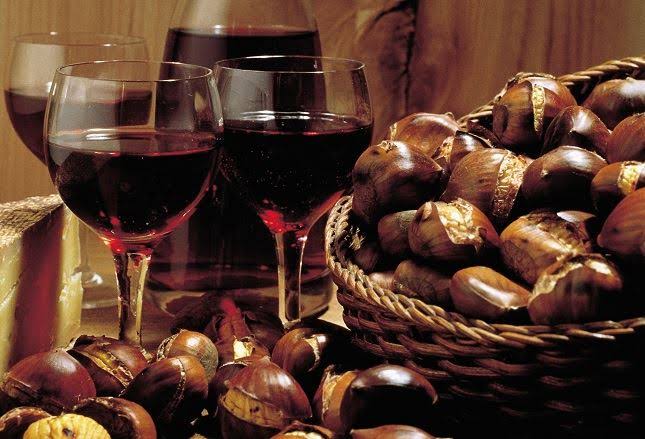
11 November falls at a particularly busy time of year for farmers and wine producers. Traditionally, this is when wine barrels are opened for the first tasting of the novello, or new wine. This custom is reflected in a popular Italian saying: “A San Martino ogni mosto diventa vino” — meaning that by St Martin’s Day, grape must has turned into wine.
In the past, the date was also associated with the renewal of agricultural contracts and the organisation of large livestock fairs, making it an important moment in the rural calendar.
The celebration is also known as the Summer of St Martin, a name referring to the mild and often sunny spell of weather that traditionally occurs around this time of November. Although autumn is usually well underway, temperatures can temporarily rise, bringing a few pleasant days before winter arrives.
Ultimately, St Martin’s Day is not only an opportunity to honour the saint, but also a celebration of the harvest, local produce and the pleasures of traditional Italian cuisine.
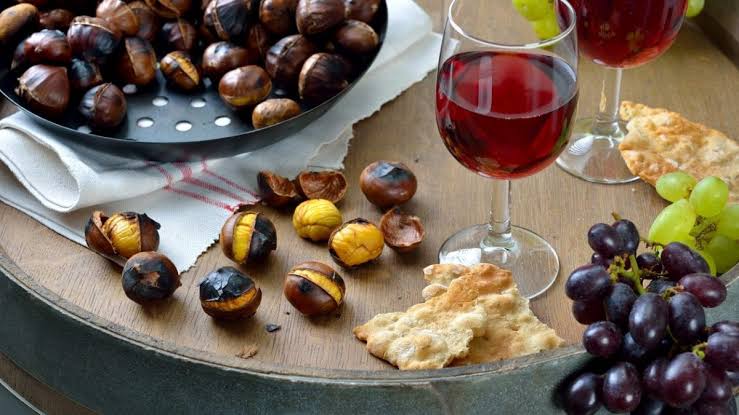
And when it comes to food, Italians certainly know how to celebrate! From grilled meat and roasted chestnuts in Ascoli Piceno to pittule (traditional fried dough balls) and wine in the Salento area of Puglia, and traditional biscuits in Palermo, every region has its own way of marking the occasion.
Among the many dishes associated with the celebration, however, goose holds a particularly special place.
The Story Behind St Martin’s Geese
The tradition of eating goose on St Martin’s Day is linked to another episode in the saint’s life.
According to legend, when Martin was chosen by the people to become the new bishop, he was reluctant to accept the position. Wishing to remain a humble monk, he reportedly hid in a small country shelter to avoid being found.
Unfortunately for him, a flock of geese wandering around the farmyard made so much noise that they revealed his hiding place. The villagers eventually discovered him, and Martin had no choice but to accept his new responsibilities.
There is also a more practical explanation for the tradition. November is the time when wild geese migrate southwards, making them easier to spot and hunt as they travel in large flocks.
A Sweet Tradition in Venice
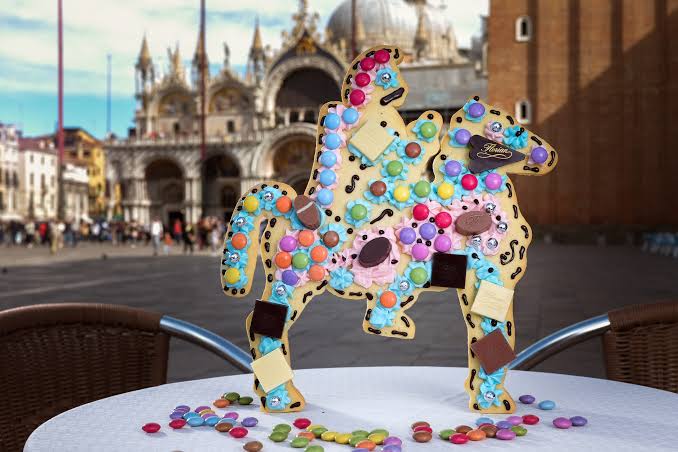
St Martin’s Day is particularly popular in Venice and the surrounding areas, where religious ceremonies and celebrations are accompanied by a delicious local tradition: i dolci di San Martino.
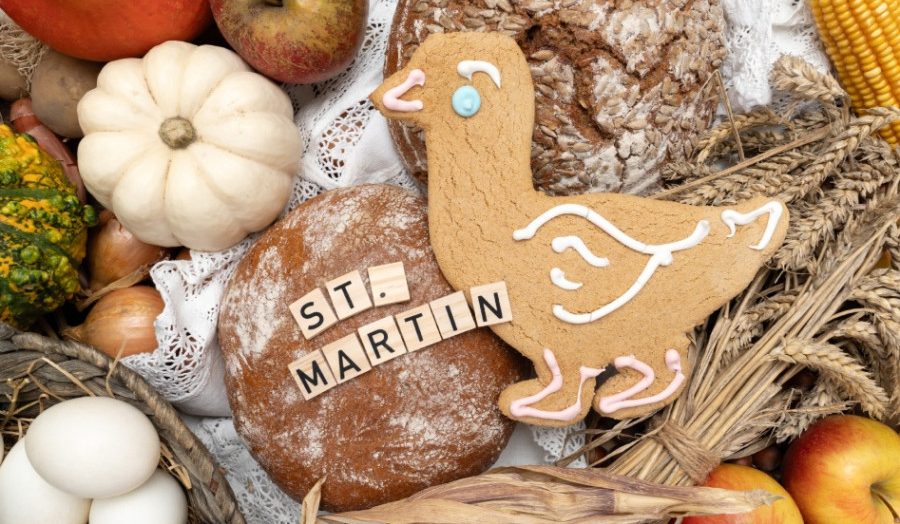
These traditional shortcrust biscuits are shaped like St Martin riding a horse and carrying a sword, recalling the famous episode in which he shared his cloak with the beggar.
Usually decorated with colourful icing, chocolate and sweets, they are a favourite among children and adults alike and can be found in bakeries and pastry shops throughout the Venetian area in the days leading up to 11 November.
From religious traditions and ancient rural customs to wine, hearty meals and delicious sweets, St Martin’s Day remains a special occasion in the Italian calendar — a celebration of generosity, community and the simple pleasures of autumn.