
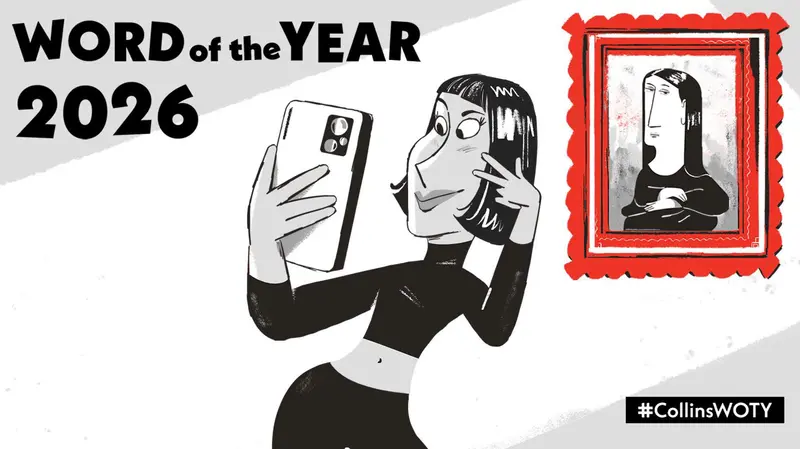
From TikTok to the dictionary: the term has become increasingly popular among young people, but behind its seemingly harmless meaning lies a darker and more controversial origin.
From TikTok to the dictionary, “mogging” has become one of the latest examples of how social media is shaping everyday language. Chosen as Collins Dictionary’s Word of the Year 2026, the term has gained widespread popularity among Generation Z and Generation Alpha.
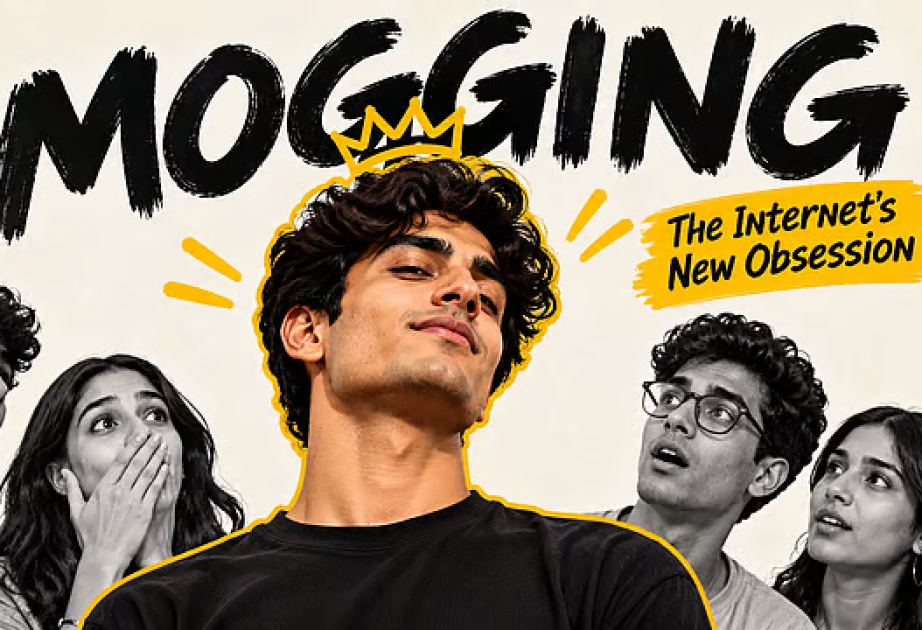
The expression refers to the act of outshining or overshadowing someone, making them appear inferior in comparison. This can happen in terms of physical appearance, charisma, success or popularity. However, behind its viral success lies a more controversial history, rooted in certain online communities.
What Does “Mogging” Mean?
According to Collins Dictionary, “mogging” describes the act of outperforming or overshadowing another person, making them look less impressive by comparison.
Today, the term is widely used on social media to describe situations in which someone clearly stands out from others because of their looks, style, achievements or popularity.
It is not unusual to find comments such as “He mogged everyone” under a celebrity’s pictures or following a particularly impressive performance. In this context, the word is often used humorously to highlight someone’s ability to dominate a situation or attract everyone’s attention.
Where Does the Term Come From?
The origins of “mogging” can be traced back to online bodybuilding communities. The word is associated with the acronym “AMOG”, which stands for “Alpha Male of the Group”.
Originally, the expression referred to a person who established dominance over others through what was perceived as superior physical appearance or presence.
The term first circulated in specialised online forums before gradually spreading to major social media platforms, eventually becoming part of the vocabulary of younger generations.

A Word With a Controversial Past
Despite its popularity, “mogging” has a less light-hearted history.
The term became particularly widespread in so-called manosphere communities, online spaces where physical appearance, social status and romantic success are often viewed through the lens of competition and social hierarchy.
In this environment, mogging someone did not simply mean outperforming them. Rather, it involved making another person feel inferior through direct comparison, particularly in terms of physical attractiveness and masculinity.
Over time, however, the word has gradually moved away from these original associations. Today, it is mostly used in a humorous or ironic way, especially on platforms such as TikTok, to describe someone who steals the spotlight or clearly stands out from the crowd.
The popularity of “mogging” highlights how quickly internet slang can evolve, moving from niche online communities into mainstream culture and even finding its way into the dictionary.