Known as Ossa dei Morti, or “Bones of the Dead”, these traditional Sicilian spiced biscuits are much more than a seasonal sweet. Deeply rooted in the island’s culinary heritage, they tell a story of remembrance, family bonds and the enduring connection between the living and those who are no longer with us.
Every year, as November approaches, Sicilian kitchens fill with the warm, unmistakable aromas of cinnamon and cloves. It is the time when families prepare Ossa dei Morti, traditional biscuits made for All Saints’ Day and All Souls’ Day, celebrated on 1 and 2 November.
Also known in different parts of Sicily as nucatoli, mustazzoli, scardellini, moscardini or paste di garofano, these distinctive sweets are deeply connected to one of the island’s most heartfelt traditions. Their preparation is not simply a matter of baking: it is an opportunity to preserve family memories, pass down recipes through generations and keep alive the customs that shape Sicilian identity.
A centuries-old tradition: remembering the departed through food
The tradition of preparing sweets for the dead has ancient roots and reflects a widespread Mediterranean custom of honouring departed loved ones through food and family gatherings.
In Sicily, All Souls’ Day has always held a particularly meaningful place in popular culture. According to traditional beliefs, on the night between 1 and 2 November, the souls of deceased relatives symbolically return to visit their families, bringing gifts and sweets for the children.
For generations, this belief has been accompanied by the exchange of traditional treats and small presents. Children would wake up to discover sweets and gifts supposedly left by their departed relatives, while adults would share memories and stories of those who were no longer there.
In this way, food becomes a bridge between past and present. Every biscuit carries a memory, every recipe preserves a family story, and every familiar aroma brings back the warmth of traditions that have stood the test of time.
The unmistakable texture of Sicilian Ossa dei Morti
What makes Sicilian Ossa dei Morti truly distinctive is their unusual texture and appearance.
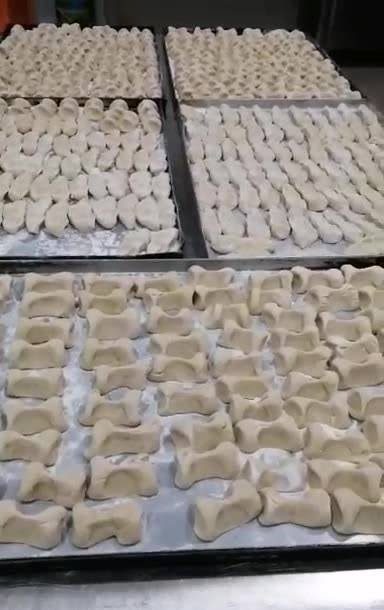
Unlike softer versions of biscuits traditionally associated with the same celebration in other parts of Italy, the Sicilian variety is exceptionally hard and crunchy. These biscuits are designed to dry for several days before baking, a slow process that gives them their characteristic consistency and allows them to be stored for a long time.
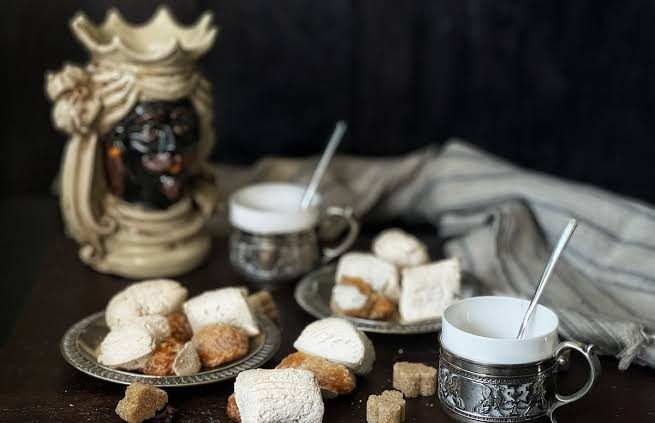
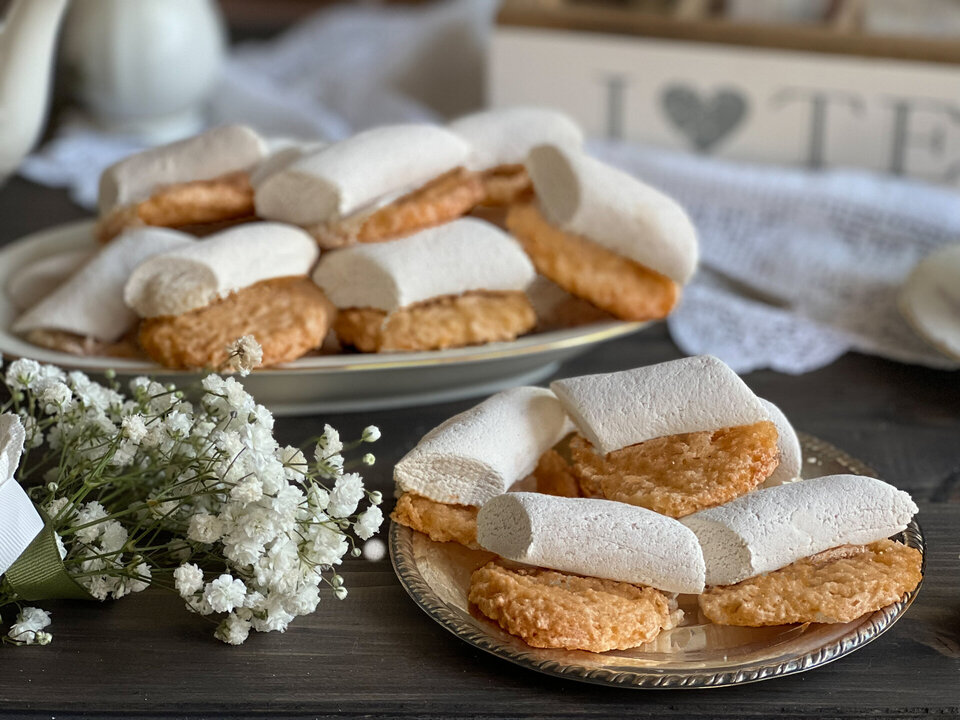
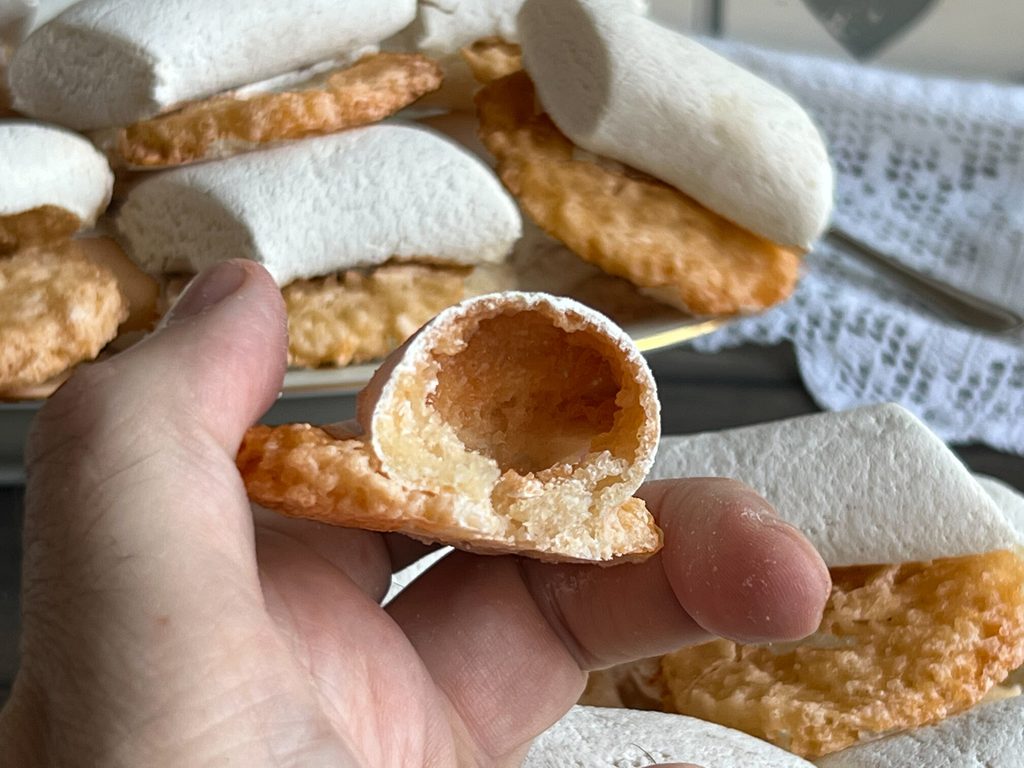
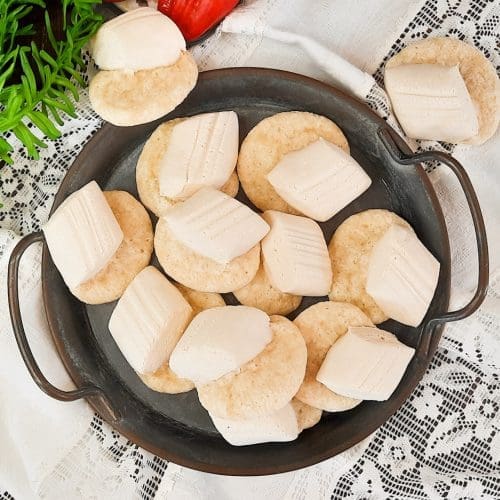
Their appearance is equally fascinating. During baking, the biscuits undergo a remarkable transformation: the bottom layer becomes dark and caramelised, while the upper part turns pale, hollow and almost bone-like.
The result is a striking contrast between the white, delicate-looking exterior and the darker, intensely flavoured base. Beneath their simple appearance lies a wonderful combination of sweetness, caramel notes and warm spices.
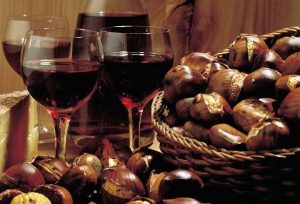
Their hardness is part of their identity, making them particularly enjoyable when dipped in a glass of dessert wine or enjoyed slowly alongside a cup of coffee.
The secret lies in pasta garofanata
At the heart of this traditional recipe is pasta garofanata, a fragrant dough whose name comes from garofano, the Italian word for clove.
The ingredients are remarkably simple: flour, sugar, cloves and cinnamon. Yet it is precisely this combination that gives the biscuits their unmistakable character.
Cloves provide an intense, aromatic flavour, while cinnamon adds warmth and depth. Together, they create the distinctive fragrance that has become synonymous with this traditional Sicilian sweet.
There is no need for elaborate techniques or complicated ingredients. What matters most is patience. The dough must rest and dry naturally in the open air for a couple of days before it is placed in the oven.
This waiting period is essential to achieving the traditional appearance of Ossa dei Morti. As the biscuits bake, the lower part caramelises while the upper surface remains pale and develops its characteristic hollow structure.
A recipe that takes time — and deserves it
Preparing Ossa dei Morti is surprisingly simple, although it requires two separate stages carried out several days apart.
First, the dough is prepared and shaped into small biscuits. They are then left to dry at room temperature for approximately two days. Only after this essential resting period are they ready to be baked in the oven.
It is this slow air-drying process that makes the transformation possible, giving the biscuits their traditional two-tone appearance: a dark, caramelised base and a white, hollow upper shell.
The recipe reminds us that some of the finest culinary traditions cannot be rushed. Time is not merely an ingredient; it is part of the process, just as memory and patience are part of the story these biscuits tell.
More than a sweet: a taste of Sicilian identity
Ossa dei Morti are a beautiful example of how Sicilian food culture goes far beyond flavour. They embody a way of remembering, celebrating and keeping family traditions alive.
Their distinctive shape, intense aroma and unmistakable crunch evoke a time when food was prepared with patience and recipes were treasured as part of a family’s heritage.
Every November, as these spiced biscuits return to Sicilian tables, they bring with them something that cannot be measured in ingredients or quantities: the memory of those who came before us.
Because sometimes, the most meaningful way to keep someone close is through the simplest of gestures — a recipe passed down, a familiar scent filling the kitchen, and a sweet prepared with love.
In Sicily, even a biscuit can tell a story. And the Ossa dei Morti tell one that is never forgotten.