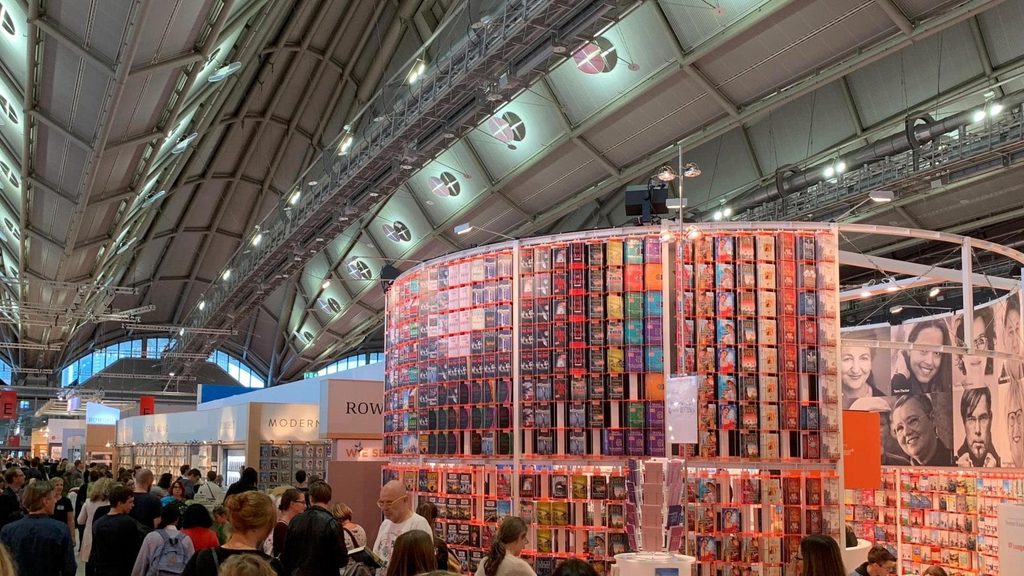
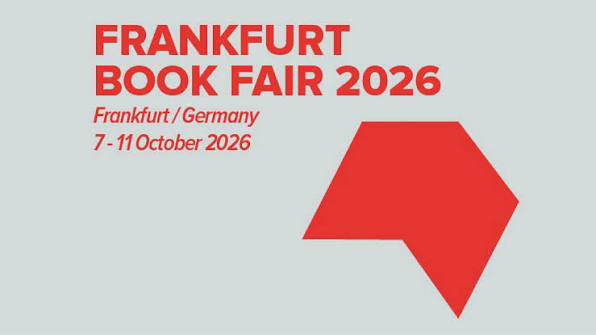
FRANKFURT — The Frankfurt Book Fair, now in its 78th edition, has opened its doors, once again bringing together the international publishing industry. Running from today through Sunday, the event continues to uphold its reputation as one of the most important gatherings in the global book industry, while looking toward a rapidly changing future.
Books are increasingly competing for readers’ attention with the growing popularity of podcasts, video games, audiobooks and social media platforms. Against this backdrop, the future of publishing and the role of technology are expected to be among the main topics of discussion at this year’s fair.
Artificial intelligence is at the heart of the debate. During the opening ceremony, American historian and writer Jill Lepore, a Pulitzer Prize winner, said she sees humanity as being “on the razor’s edge of history”, as society faces the decision of whether to allow machines to replace humans in reading, writing and even thinking.
The use of AI in publishing raises both opportunities and concerns. Among the most debated issues are copyright protection, the regulation of artificial intelligence and the impact of AI-generated content on authors and publishers. Another key question is how creative work will evolve: which tasks will continue to be carried out exclusively by humans, and which could increasingly be supported by new technologies?
The fair will focus not only on books and recently published works, but also on emerging trends, new ways of telling and marketing stories, and the future of the publishing industry as a whole.
The outlook for the sector is not particularly positive. According to the German Press Agency (DPA), publishing industry revenues in Germany amounted to €9.62 billion in 2025, a 2.7% decrease compared with the previous year. Despite these challenges, the Frankfurt Book Fair remains a major international event, bringing together authors, publishers, agents and readers from around the world.
More than 1,000 speakers are expected to take part in discussions and events covering a wide range of genres and topics. Fantasy, crime and thrillers will all have a strong presence, with true crime continuing to attract growing interest among readers.
As the publishing industry faces technological, economic and cultural changes, the Frankfurt Book Fair is once again providing a space to ask a crucial question: what will the future of storytelling look like in an age increasingly shaped by artificial intelligence?