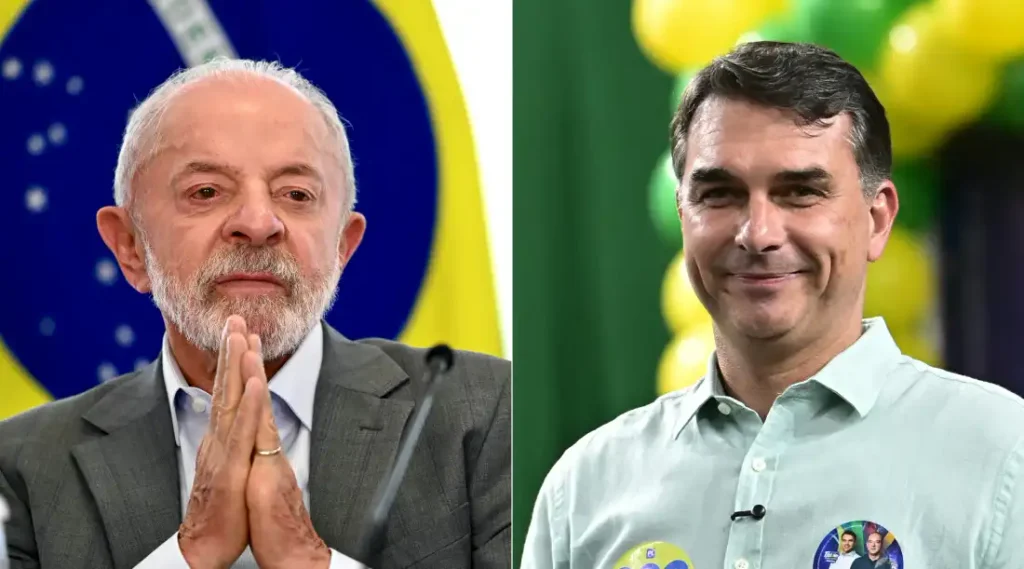
Luiz Inácio Lula da Silva has won Brazil’s presidential runoff with 51.74% of the vote, defeating Flávio Bolsonaro, who received 48.26%. The defeated candidate has challenged the outcome and announced plans to seek the annulment of the election.
Luiz Inácio Lula da Silva has been re-elected president of Brazil for another term, securing victory in a closely contested runoff against senator Flávio Bolsonaro. According to the country’s electoral authorities, Lula won 51.74% of the vote, approximately four million votes more than his right-wing rival, who received 48.26%.
The result marks a comeback for Lula, who had trailed Bolsonaro in the first round of voting. Bolsonaro secured 47.03% of the vote, compared with 45.16% for the Workers’ Party leader.
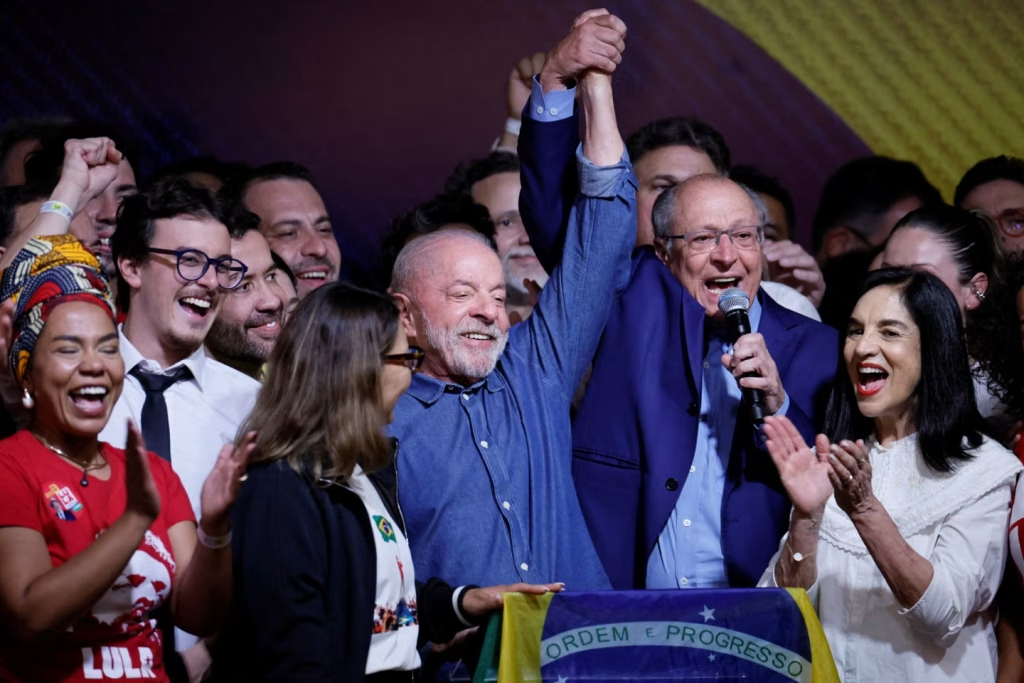
Speaking in São Paulo shortly after the results were announced, Lula thanked young Brazilians for their participation in the democratic process.
“The Brazilian people and young people have fought to defend our democracy,” he said, addressing supporters who had gathered to celebrate his victory.
Flávio Bolsonaro, however, refused to accept the outcome and announced that he would seek to have the election annulled. He argued that the decision to extend voting hours by two hours had compromised the electoral process.
“It is impossible to recognise the result of this election under these conditions. I will request the annulment of the vote,” Bolsonaro said. He claimed that the rules had been changed during the electoral process, although the extension had been ordered by a judicial authority in response to reported disruptions to voter transportation.
Why Were Voting Hours Extended?
The decision to extend voting hours followed complaints about difficulties affecting public transportation in several Brazilian cities. According to official sources, the measure was ordered by Supreme Court Justice Cristiano Zanin after an appeal by Lula’s electoral team.
The Workers’ Party (PT) reported incidents that allegedly prevented some voters from reaching polling stations. The party also accused certain local authorities opposed to Lula of failing to comply with electoral instructions requiring municipalities to maintain public transportation services at normal working-day levels and provide free transport to voters.
In response to the reported problems, Zanin ordered polling stations across Brazil to remain open for an additional two hours, until 7 p.m. local time, or 11 p.m. in Italy. The judge said the request had been submitted approximately 30 minutes before the originally scheduled closing time.
The decision was referred to the Superior Electoral Court (TSE), the body responsible for overseeing elections in Brazil. Bolsonaro subsequently argued that the extension had undermined the legitimacy of the result and said he would pursue legal action.
Lula and Bolsonaro: Two Different Political Backgrounds
The election highlighted the political and personal differences between the two candidates.
Born into a poor family in Brazil’s northeastern state of Pernambuco, Lula grew up in difficult circumstances before moving to São Paulo at a young age. He began working in a metalworking factory at just 14 and lost the little finger of his left hand in an industrial accident at the age of 19.
During Brazil’s military dictatorship, Lula emerged as a prominent trade union leader. In 1980, he helped establish the Workers’ Party, which later became one of the country’s most influential political forces.
Lula previously served two consecutive presidential terms from 2003 to 2010 before returning to the presidency in 2023. His political career has been marked by a focus on social welfare, poverty reduction and workers’ rights.
Flávio Bolsonaro, born in 1981 into a politically influential family in Rio de Janeiro, followed in the footsteps of his father, former president Jair Bolsonaro. He served as a state legislator before becoming a senator and later emerged as a leading figure on the Brazilian right.
In 2016, he ran for mayor of Rio de Janeiro, finishing fourth with approximately 14% of the vote. He subsequently expanded his national political profile before announcing his presidential ambitions.
The contest between Lula and Flávio Bolsonaro reflects Brazil’s continuing political divisions, with voters divided over economic policy, social programmes, public security and the country’s political direction.
With Lula’s victory, the Workers’ Party retains the presidency, while Bolsonaro’s challenge to the result raises further questions about the political tensions surrounding the electoral process.