Celebrated on 1 and 2 November, Mexico’s Día de los Muertos is a vibrant tradition that honours departed loved ones through colourful altars, flowers, music and family gatherings. Far from being a celebration of fear, it is a joyful tribute to life and the enduring bond between the living and the dead.
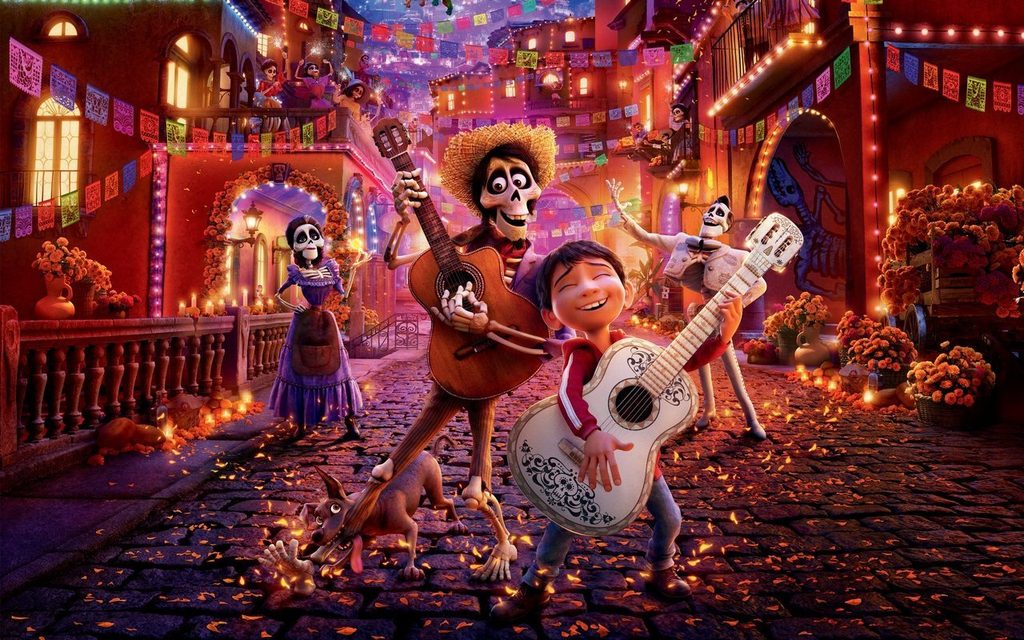
The Día de los Muertos, literally meaning “Day of the Dead”, is one of Mexico’s most iconic cultural celebrations. Popularised internationally by Disney and Pixar’s animated film Coco, this centuries-old tradition brings families together to remember those who have passed away and celebrate their lives.
According to popular belief, the souls of deceased relatives return temporarily to the world of the living during these days to reunite with their loved ones. Rather than mourning death, the celebration embraces it as a natural part of life, keeping memories alive through rituals, food and shared moments.
Ancient roots and a blend of cultures
The origins of Día de los Muertos date back to pre-Columbian civilisations, including the Aztecs, Maya and Purépecha, for whom death represented a transition to another dimension rather than an absolute ending.
Following the arrival of Spanish conquistadors in the 16th century, indigenous rituals gradually merged with Catholic traditions, particularly All Saints’ Day (1 November) and All Souls’ Day (2 November). The result is a unique cultural celebration that combines ancient beliefs with Christian influences.
Today, the festival reflects a deeply rooted Mexican philosophy: as long as someone is remembered, they are never truly gone.
Altars, flowers and colourful traditions
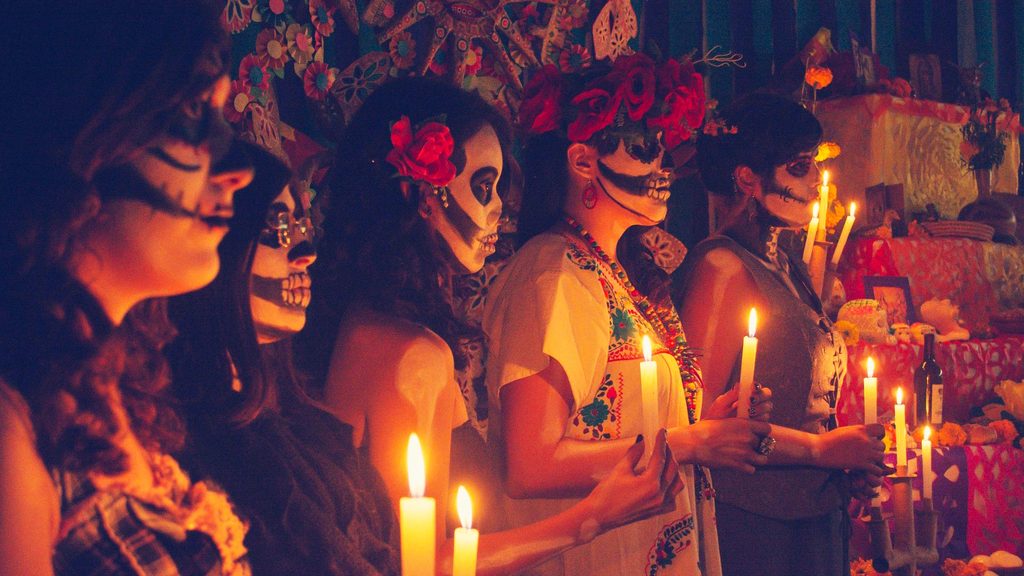
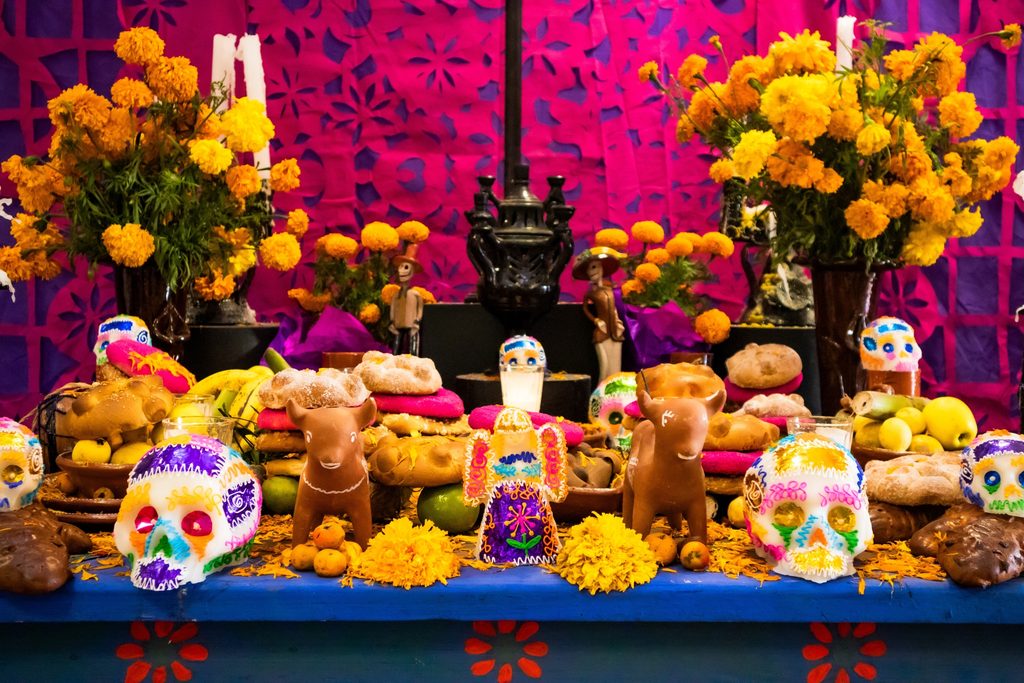
One of the most important elements of Día de los Muertos is the creation of ofrendas, traditional altars dedicated to deceased family members. Set up inside homes, in public squares and in community spaces, these altars are decorated with photographs, candles, incense, food and objects that belonged to or were loved by the departed.
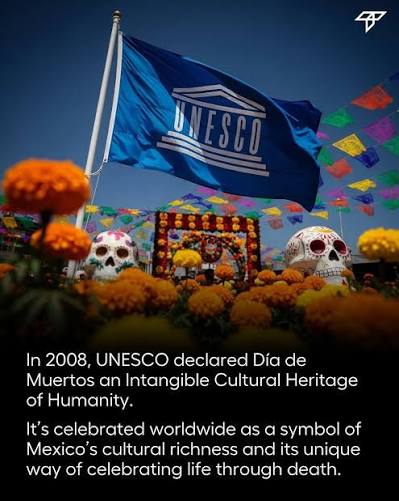
Bright orange and yellow cempasúchil flowers, also known as Mexican marigolds, play a central role. Their vibrant colours and distinctive fragrance are believed to help guide the souls back to their families.
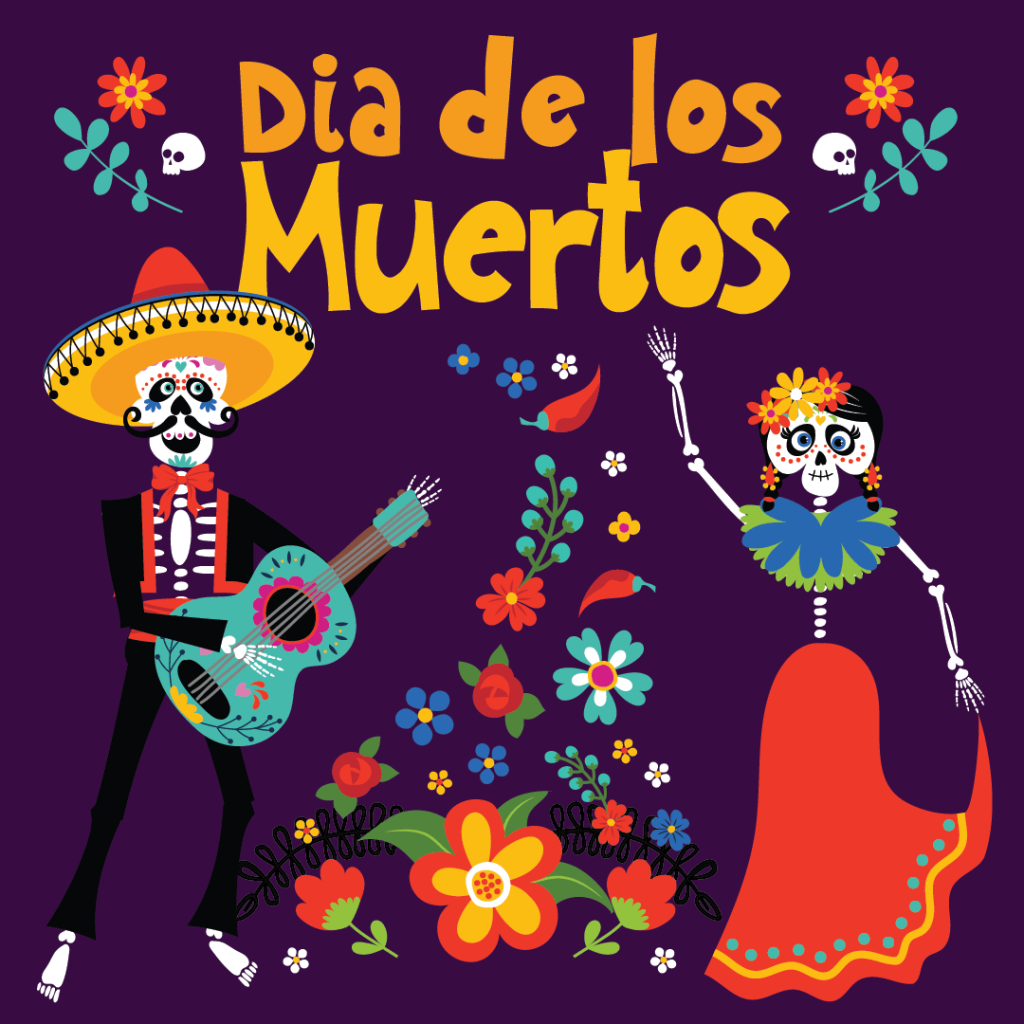
Other traditional decorations include papel picado, delicate sheets of colourful paper intricately cut into decorative patterns, symbolising the fragility of life and the presence of the wind. Sugar skulls, known as calaveras, are also among the festival’s most recognisable symbols.
The celebration extends beyond family homes, with colourful parades, music, traditional costumes and gatherings in cemeteries, where relatives honour the deceased by decorating their graves, sharing food and telling stories.
One of the most iconic figures associated with the festival is La Catrina, an elegant female skeleton dressed in elaborate clothing. Popularised by Mexican artist José Guadalupe Posada in the early 20th century, she became a powerful symbol of the celebration, reminding everyone that death makes no distinction between social classes.
Día de los Muertos and Halloween: two very different celebrations
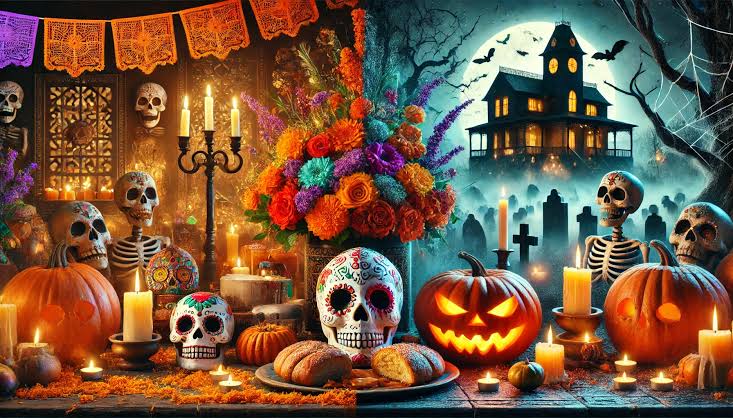
Although they take place around the same time of year and both feature images of death and the supernatural, Día de los Muertos and Halloween have very different origins and meanings.
Halloween has roots in the ancient Celtic festival of Samhain and is traditionally associated with spirits, mystery and the supernatural. Its imagery often revolves around fear, ghosts, witches and spooky costumes.
Día de los Muertos, on the other hand, welcomes rather than fears the dead. Spirits are believed to return as honoured guests, and families prepare food, music and decorations to celebrate their arrival.
The difference is also reflected in the colours: while Halloween is traditionally associated with darker and more mysterious tones, Día de los Muertos fills streets and homes with vibrant shades of orange, yellow, red, pink and blue.
A UNESCO-recognised cultural heritage
Beyond Mexico, Día de los Muertos has become an internationally recognised celebration, embraced by Mexican communities around the world and featured in cultural events across different continents.
In 2008, UNESCO included the Mexican Indigenous Festivity dedicated to the Dead on its Representative List of the Intangible Cultural Heritage of Humanity, recognising its cultural importance and the need to preserve it for future generations.
More than a festival, Día de los Muertos is a celebration of memory, family and identity. Through flowers, photographs, food and stories, it transforms remembrance into an expression of joy and affection.
In Mexico, death is not simply something to mourn. It is also an opportunity to celebrate the lives of those we love — because memories keep them with us, even when they are gone.