
Understanding Climate Change: A Call to Action
Climate change has emerged as one of the most pressing challenges of the 21st century. It refers to long-term shifts in temperatures and weather patterns, primarily driven by human activities such as burning fossil fuels, deforestation, and industrial processes. These activities release greenhouse gases, such as carbon dioxide and methane, which trap heat in the Earth’s atmosphere and lead to global warming.
The Science Behind Climate Change
The greenhouse effect, a natural phenomenon, is essential for life on Earth. However, human activities have intensified this effect, causing unprecedented changes in the planet’s climate. According to the Intergovernmental Panel on Climate Change (IPCC), global temperatures have risen by approximately 1.1°C since the pre-industrial era. While this may seem like a small number, even slight changes in temperature can have profound effects on ecosystems, weather patterns, and sea levels.
Impacts of a Changing Climate
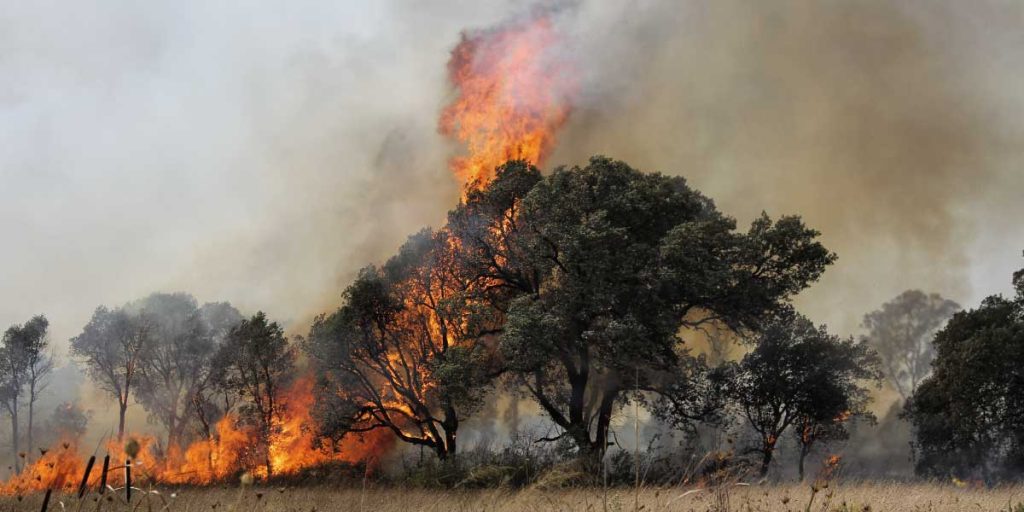
The consequences of climate change are already evident and are expected to intensify in the coming decades. Some of the most noticeable impacts include:
- Rising Sea Levels: Melting polar ice caps and glaciers contribute to rising sea levels, threatening coastal communities and low-lying nations.
- Extreme Weather Events: Hurricanes, heatwaves, droughts, and floods are becoming more frequent and severe, causing widespread destruction and loss of life.
- Ecosystem Disruption: Changing temperatures and weather patterns are affecting biodiversity. Many species face extinction as they struggle to adapt to new conditions.
- Human Health Risks: Heat-related illnesses, the spread of vector-borne diseases, and reduced access to clean water and food are endangering human health.
- Economic Challenges: Damage to infrastructure, agriculture, and livelihoods due to climate-related disasters has significant economic implications.
Mitigation and Adaptation Strategies
Addressing climate change requires a multifaceted approach. Mitigation efforts aim to reduce greenhouse gas emissions, while adaptation focuses on preparing for and minimizing the impacts of a changing climate.
- Transition to Renewable Energy: Replacing fossil fuels with renewable energy sources like solar, wind, and hydropower is crucial for reducing emissions.
- Energy Efficiency: Improving energy efficiency in buildings, transportation, and industries can significantly cut energy consumption.
- Reforestation and Conservation: Protecting and restoring forests helps absorb carbon dioxide and supports biodiversity.
- Sustainable Practices: Promoting sustainable agriculture, reducing waste, and adopting circular economy principles can lower environmental impacts.
- Infrastructure Resilience: Designing infrastructure that can withstand extreme weather events is vital for adaptation.
Global Cooperation is Key
Tackling climate change is a global responsibility that requires collaboration across nations. Agreements like the Paris Accord aim to limit global warming to below 2°C, with efforts to keep it under 1.5°C. However, achieving these targets requires ambitious action from governments, businesses, and individuals.
What Can Individuals Do?
While systemic changes are essential, individuals also play a critical role in combating climate change. Simple actions like reducing energy consumption, choosing sustainable products, supporting clean energy initiatives, and raising awareness can make a difference. Advocating for policy changes and holding leaders accountable can amplify these efforts.
A Call to Action
The window to prevent the worst impacts of climate change is rapidly closing. Science has made it clear: urgent action is needed to safeguard the planet for future generations. By working together, embracing innovation, and committing to a sustainable future, humanity can rise to this challenge and turn the tide on climate change.